Korean Bibimbap
Highlighted under: Heritage Cooking
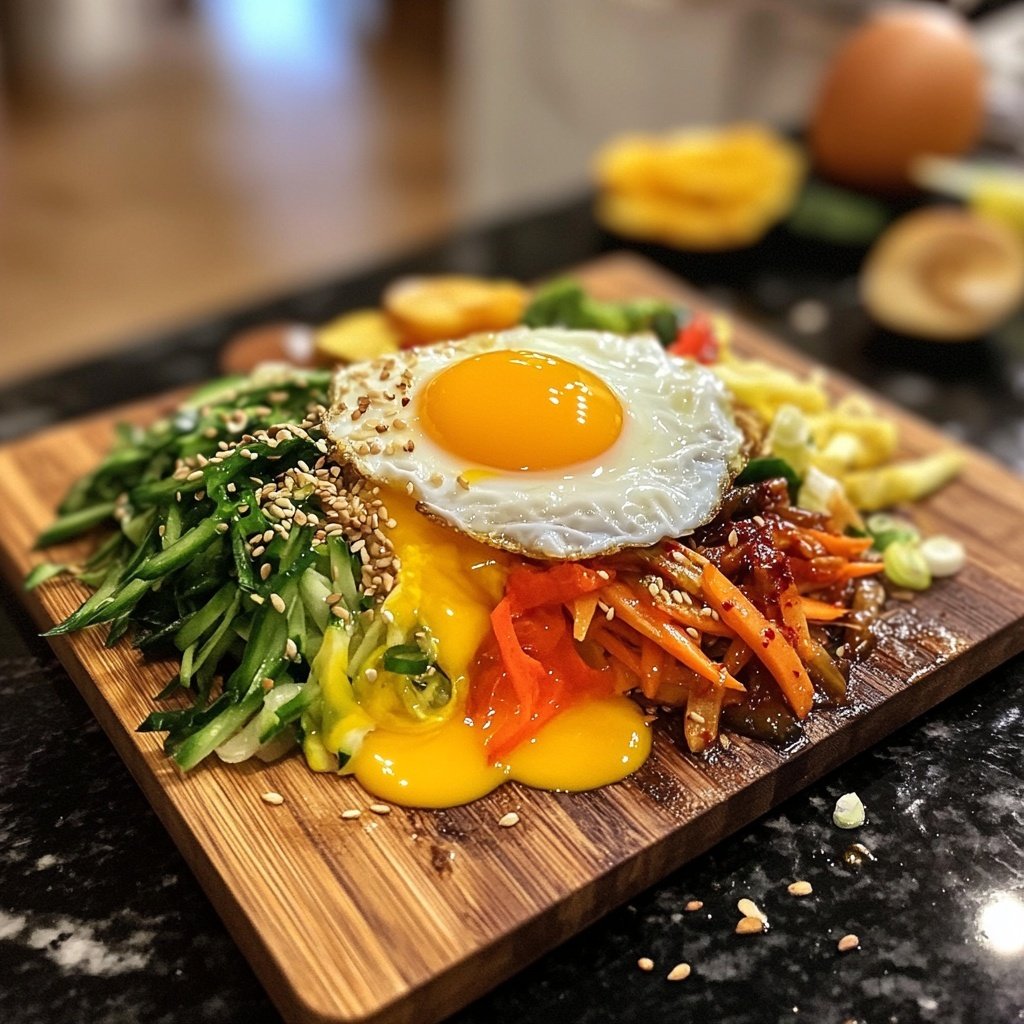
Korean Bibimbap is a vibrant and flavorful dish that combines an assortment of vegetables, rice, and a fried egg, all topped with spicy gochujang sauce.
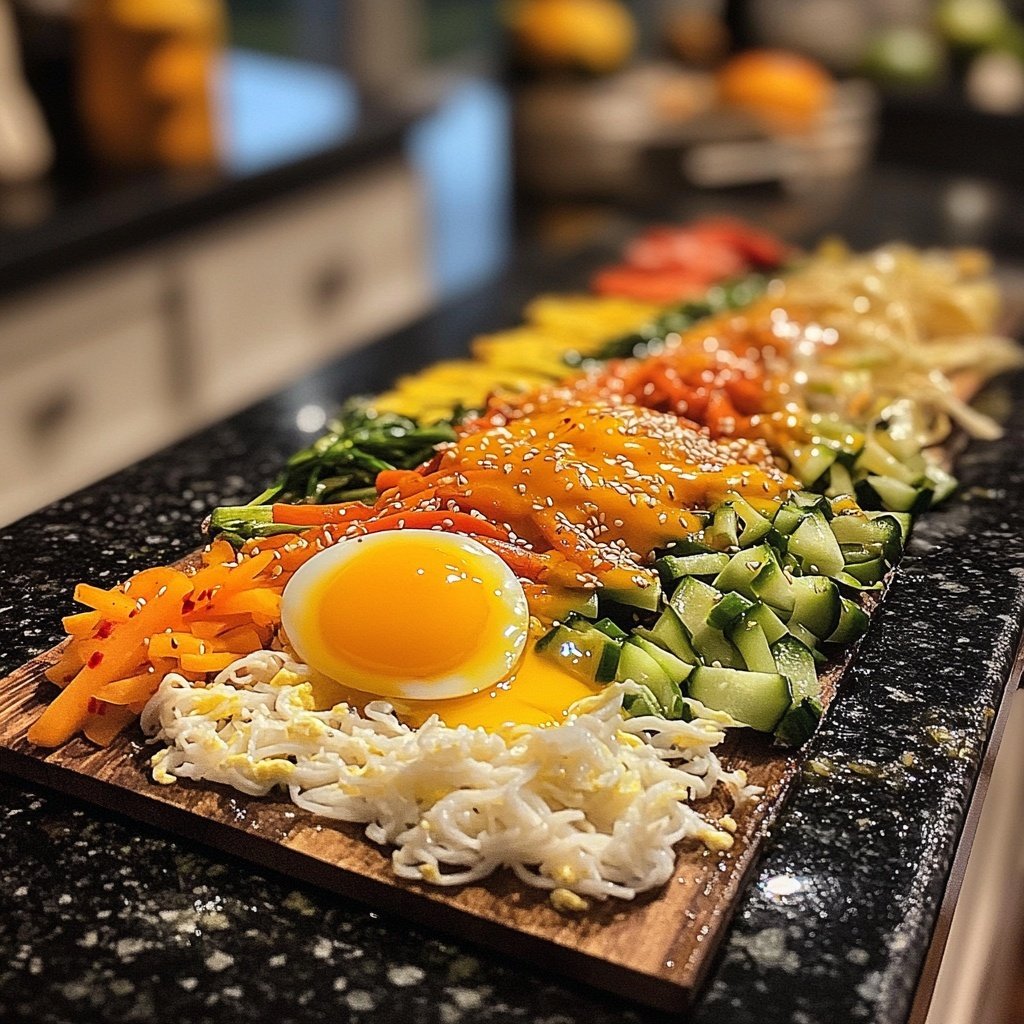
Korean Bibimbap is a beloved dish originating from Korea, celebrated for its beautiful presentation and harmonious flavors. It's a perfect meal for those looking to explore Korean cuisine!
Why You'll Love This Recipe
- A colorful and nutritious one-bowl meal
- Customizable with your favorite vegetables and proteins
- A delightful mix of textures and flavors
The Essence of Bibimbap
Bibimbap is more than just a meal; it’s a culinary experience that embodies the spirit of Korean cuisine. The word 'bibimbap' translates to 'mixed rice,' which perfectly captures the essence of this dish. Traditionally served in a hot stone bowl, the rice sizzles as it cooks slightly from the heat, creating a delightful crust. Each ingredient is carefully chosen to provide not only flavor but also vibrant color, making this dish as pleasing to the eye as it is to the palate.
The beauty of bibimbap lies in its flexibility. While the classic version includes specific vegetables and proteins, you can easily customize it to suit your taste or dietary preferences. Feel free to experiment with seasonal vegetables, different types of protein, or even vegan alternatives. This adaptability makes bibimbap an excellent option for meal prep, allowing you to enjoy this delicious dish throughout the week.
Nutritional Benefits
Korean Bibimbap is not only a feast for the senses but also a nutritious choice. The dish is packed with a variety of vegetables, providing essential vitamins, minerals, and antioxidants. Spinach, for instance, is rich in iron and calcium, while carrots add a good dose of beta-carotene. Each ingredient contributes to a well-rounded meal that supports a healthy lifestyle.
Additionally, the use of short-grain rice offers a satisfying base that is high in fiber and energy. The inclusion of protein from eggs or meat helps to keep you full and satisfied, making bibimbap a great option for lunch or dinner. When paired with gochujang, a fermented chili paste, you not only enhance the flavor but also benefit from its probiotic properties, supporting gut health.
Serving Suggestions
When serving Korean Bibimbap, presentation is key. A well-arranged bowl with colorful layers of vegetables and a perfectly fried egg on top creates an inviting dish that guests will love. Consider serving it with a side of kimchi or pickled vegetables, which add an extra layer of flavor and crunch. This combination will elevate your bibimbap experience, making it a hit at any gathering.
For those who enjoy a little heat, provide extra gochujang on the side so that everyone can customize the spice level to their liking. This adds an interactive element to the meal, allowing diners to engage with their food. Finally, don't forget to offer a choice of proteins, such as marinated beef, tofu, or even grilled chicken, to cater to all preferences.
Ingredients
For the Bibimbap
- 2 cups cooked short-grain rice
- 1 cup spinach, blanched
- 1 cup bean sprouts, blanched
- 1 carrot, julienned
- 1 zucchini, julienned
- 1 cup shiitake mushrooms, sliced
- 2 eggs
- 2 tablespoons sesame oil
- Salt, to taste
- Gochujang (Korean chili paste), to taste
Enjoy your colorful and delicious Bibimbap!
Instructions
Prepare the Vegetables
In a skillet, heat 1 tablespoon of sesame oil over medium heat. Sauté the carrots and zucchini separately until tender. Season with salt.
Cook the Mushrooms
In the same skillet, add the sliced shiitake mushrooms and a bit of sesame oil. Cook until soft and golden brown.
Fry the Eggs
In another pan, fry the eggs sunny-side up until the whites are set but the yolks remain runny.
Assemble the Bibimbap
In a large bowl, layer the cooked rice, followed by the sautéed vegetables, spinach, and bean sprouts. Top with the fried egg and a generous dollop of gochujang.
Mix everything together before eating for the best flavor!
Pro Tips
- Feel free to add your choice of protein like beef, chicken, or tofu for added heartiness.
Tips for Perfect Bibimbap
To achieve the best texture for your bibimbap, ensure that each ingredient is cooked to perfection. Overcooked vegetables can become mushy, while undercooked ones can be too crunchy. Blanching vegetables like spinach and bean sprouts ensures they maintain their vibrant color while becoming tender enough to complement the rice. Always season your vegetables lightly to enhance their natural flavors without overpowering the dish.
Using a hot stone bowl is ideal for traditional bibimbap as it gives the rice a crispy texture. If you don’t have one, a regular bowl will work just fine—just be sure to serve the dish immediately so that the rice remains warm and the egg is perfectly runny.
Storage and Reheating
Leftover bibimbap can be stored in an airtight container in the refrigerator for up to three days. When reheating, it’s best to do so in a skillet over medium heat with a splash of water, which helps to steam the rice and prevent it from drying out. Stir everything together to ensure even heating, then top with a fresh fried egg if desired.
If you want to prepare bibimbap for meal prep, consider keeping the components separate until you’re ready to eat. This way, you can enjoy fresh, vibrant flavors each time while also controlling the amount of gochujang and other toppings you add.
Questions About Recipes
→ Can I make Bibimbap vegetarian?
Absolutely! Just skip the meat and load up on more vegetables.
→ What can I substitute for gochujang?
You can use sriracha or any hot sauce, but it won't have the same depth of flavor.
→ Can I prepare the ingredients in advance?
Yes! You can pre-cook the vegetables and rice, and just assemble before serving.
→ Is Bibimbap gluten-free?
It can be gluten-free if you use gluten-free soy sauce and verify the gochujang ingredients.
Korean Bibimbap
Created by: Isla Weatherford
Recipe Type: Heritage Cooking
Skill Level: Intermediate
Final Quantity: 2 servings
What You'll Need
For the Bibimbap
- 2 cups cooked short-grain rice
- 1 cup spinach, blanched
- 1 cup bean sprouts, blanched
- 1 carrot, julienned
- 1 zucchini, julienned
- 1 cup shiitake mushrooms, sliced
- 2 eggs
- 2 tablespoons sesame oil
- Salt, to taste
- Gochujang (Korean chili paste), to taste
How-To Steps
In a skillet, heat 1 tablespoon of sesame oil over medium heat. Sauté the carrots and zucchini separately until tender. Season with salt.
In the same skillet, add the sliced shiitake mushrooms and a bit of sesame oil. Cook until soft and golden brown.
In another pan, fry the eggs sunny-side up until the whites are set but the yolks remain runny.
In a large bowl, layer the cooked rice, followed by the sautéed vegetables, spinach, and bean sprouts. Top with the fried egg and a generous dollop of gochujang.
Extra Tips
- Feel free to add your choice of protein like beef, chicken, or tofu for added heartiness.
Nutritional Breakdown (Per Serving)
- Calories: 500 kcal
- Total Fat: 20g
- Saturated Fat: 5g
- Cholesterol: 200mg
- Sodium: 300mg
- Total Carbohydrates: 70g
- Dietary Fiber: 6g
- Sugars: 5g
- Protein: 15g